
Destination wedding in France
What actually matters on the day
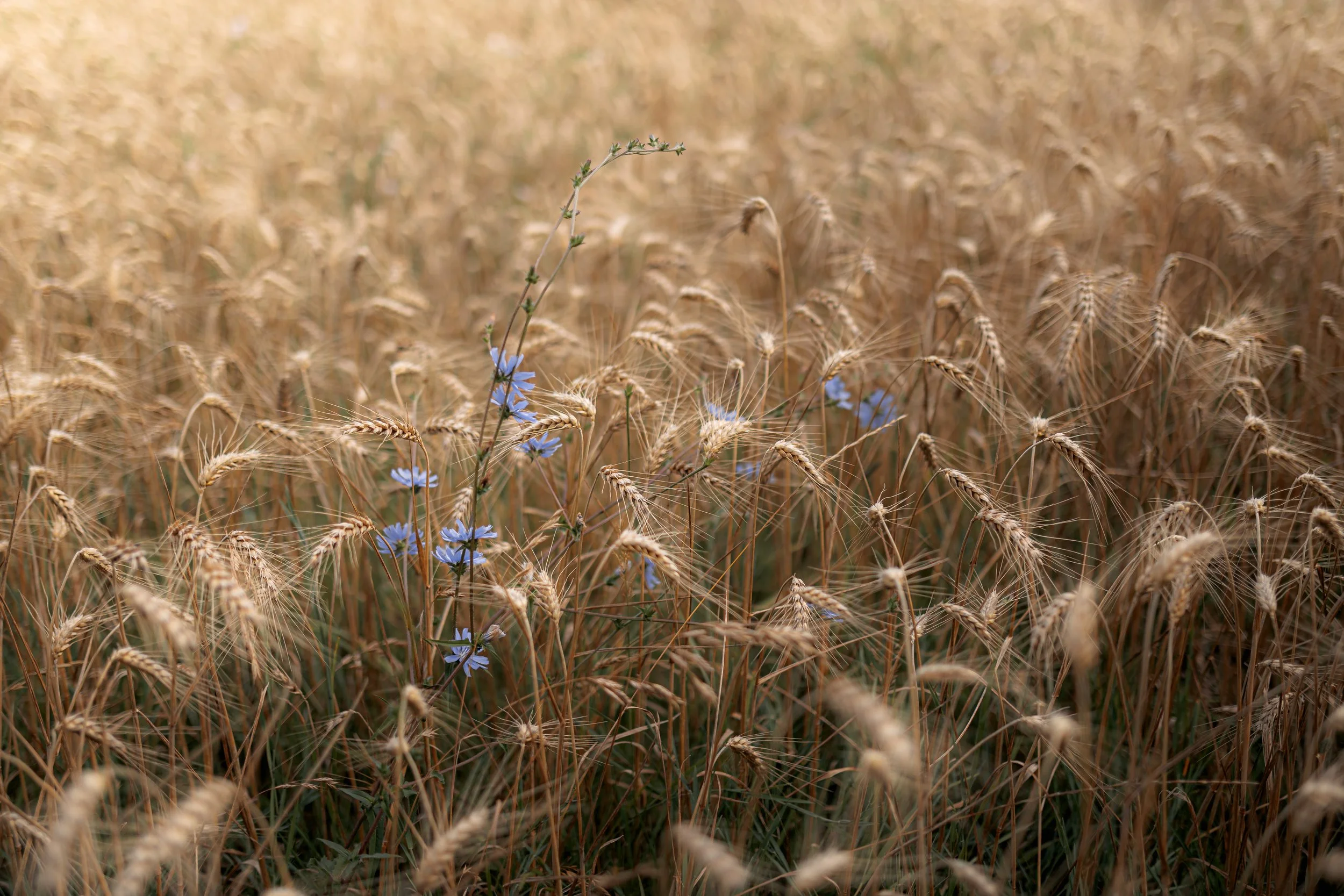
You don’t really see the effort behind a destination wedding in France. You see the setting. The light. The long tables outside. But there’s a lot happening underneath that.
I notice it when I arrive early. The quiet tension before anything begins. Small decisions still being made. Someone adjusting chairs. Someone checking the timeline again. Light moving across the space in a way no one expected. And then, slowly, everything settles.
Planning a wedding here isn’t just about choosing a beautiful place. It’s about how the day actually feels once you’re in it. What flows naturally, and what doesn’t. What you remember, and what quietly disappears.
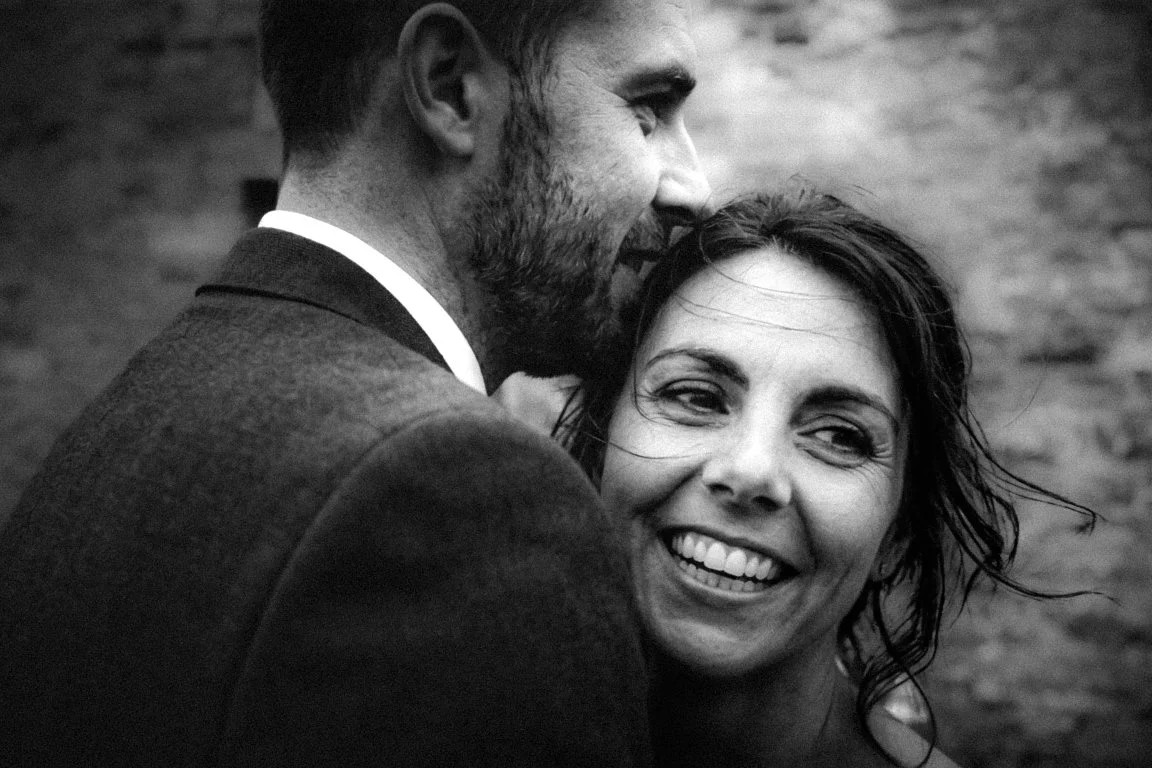
Start earlier than you think
Most couples begin with a place they’ve seen online. A château, a vineyard, a quiet corner of the countryside. It feels right, so they start building everything around it.
Then things shift.
The venue is already booked for your dates. The planner you liked is not available. The florist whose work felt natural only takes a limited number of weddings each season. In many parts of France, especially in summer, there is a rhythm to bookings. The same trusted teams work together, and their calendars fill fast.
I’ve seen couples slowly adjust without meaning to. Changing dates, then locations, then suppliers. Not because they’re unsure, but because time is already shaping their options.
Starting earlier gives you something simple but important. Space. Space to compare. Space to think. Space to choose people who match your vision instead of choosing what’s left.
That shows later. In how calm the morning feels. In how smoothly the day moves. In how little you have to think about anything once it starts.
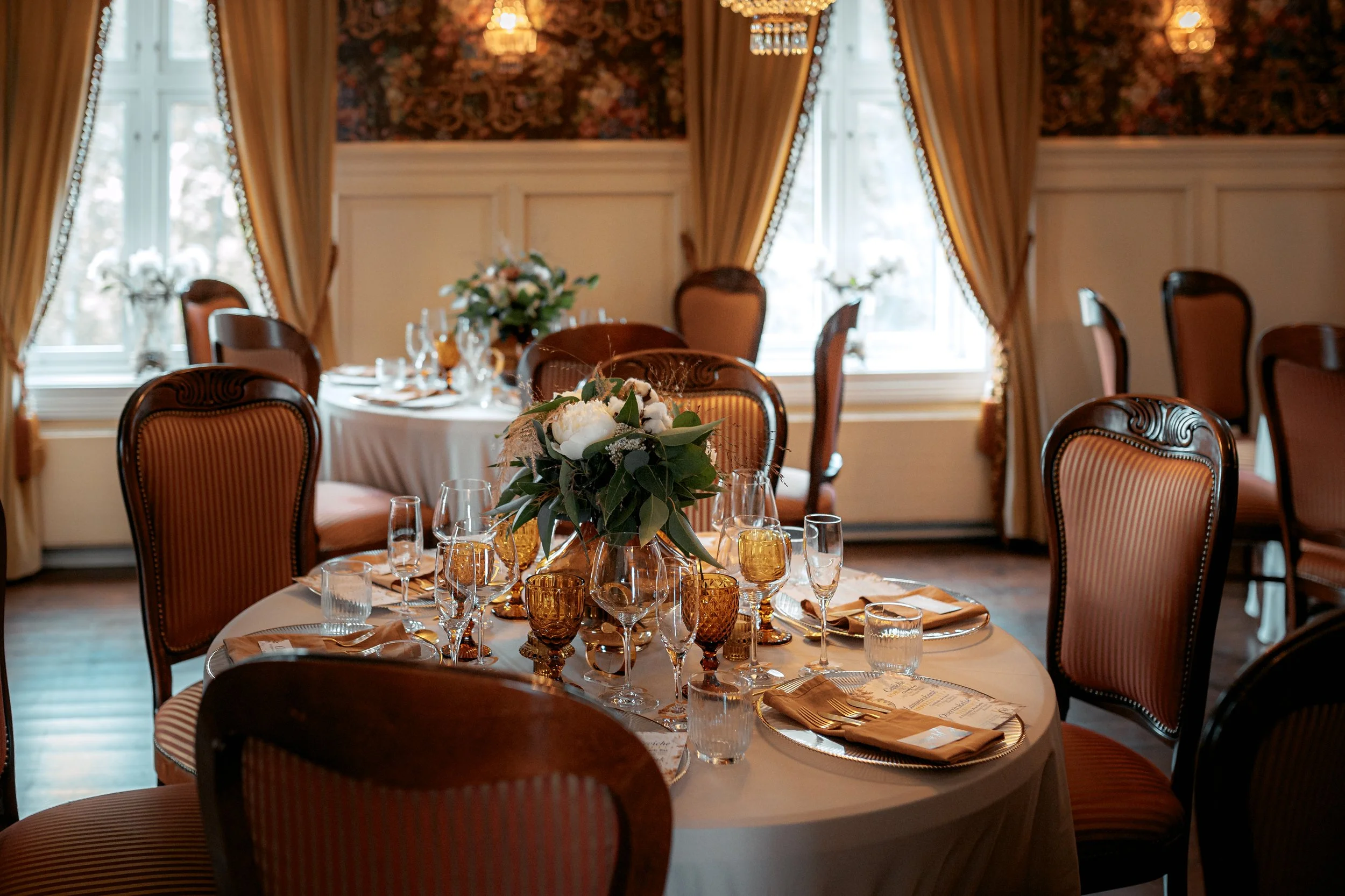
The legal side is rarely worth the stress
On paper, getting married in France seems straightforward. In reality, it often involves more steps than couples expect. Documents need to be translated. Timelines depend on local administration. Communication can be slow if you’re managing it from abroad.
I’ve seen couples spend weeks trying to make everything line up. It becomes a background weight during the planning process. Something that keeps coming back when you thought it was done.
That’s why many decide to separate it. They complete the legal ceremony in their home country, quietly and simply. Then they come to France to celebrate.
What changes is not visible at first. But you feel it.
The ceremony becomes something you live, not something you manage. You’re not thinking about paperwork or timing. You’re focused on each other, on the people around you, on what the moment actually means. That shift is subtle, but it shapes the atmosphere of the entire day.
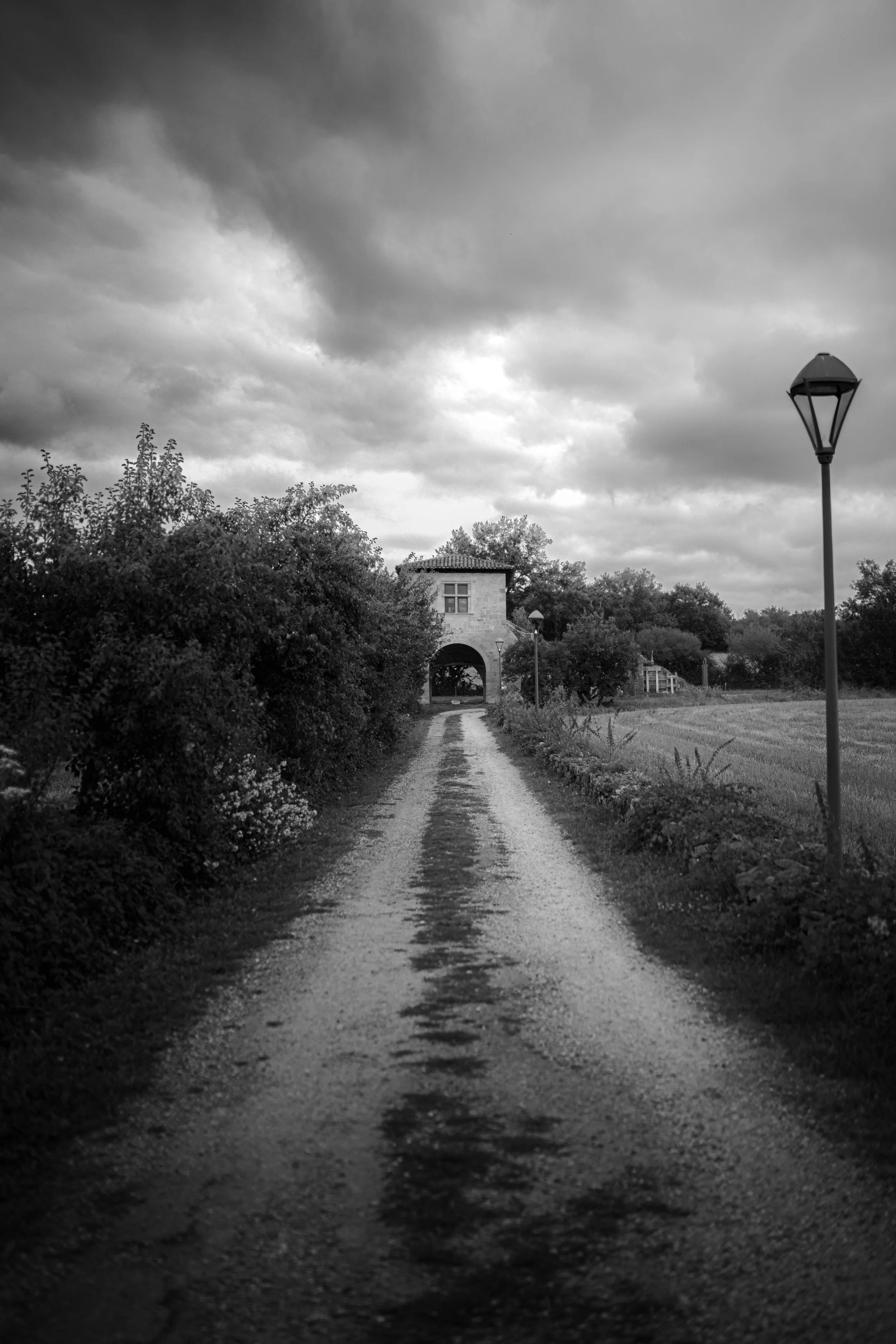
Experience the place before the wedding
Photos don’t show how a place behaves. They show angles. They show curated moments. They don’t show how the wind moves through an outdoor ceremony space, or how quickly the light disappears behind a hill. They don’t show where guests naturally walk, where they pause, where conversations happen.
I’ve walked through venues with couples seeing them for the first time, and it often changes their plans instantly. A ceremony moves ten meters to the left. Dinner is set in a different part of the garden. The timeline shifts by thirty minutes just to follow the light. These are small adjustments. But they shape everything.
The way people move. The way they interact. The way the evening feels as it transitions from daylight to night. Being there, even once before the wedding, gives you a different understanding. It turns a location into something real, something you can respond to instead of something you’re trying to control.
Work with people who know how things run here
Weddings in France don’t always follow a strict structure. Timings stretch. A dinner might start later than planned and last much longer than expected. Suppliers often work in a way shaped by local habits, not by rigid schedules. When everyone understands that rhythm, the day feels effortless. Things happen when they’re supposed to, even if the timing looks different on paper.
When they don’t, small delays begin to stack. A late setup. A miscommunication. A shift that creates tension without anyone really noticing why. Working with people who know the area removes a lot of that. They know how long things actually take. They know how to communicate clearly with each other. They know when to adapt and when to hold the plan.
You don’t see that work directly. But you feel it in how calm the day feels around you.
Your guests shape the atmosphere
Your guests are not just attending a wedding. They’re stepping into a place that is new to them. They’ve travelled. They’ve planned their trip around your day. Some may not know the area, the language, or how things work locally. If they feel unsure, it stays in the background. They hesitate. They wait. They look for direction.
I’ve seen how quickly that changes when things are clear. When they know where they’re staying, how they’re getting to the venue, what the flow of the day looks like. They arrive relaxed. They start conversations earlier. They engage more with each other and with the setting. That energy builds throughout the day. It affects how people interact, how they celebrate, how present they are.
And that becomes part of what you remember.
The small details you don’t think about
Some things only become visible once the day begins. A supplier replying later than expected because of time differences. A change in weather that shifts everything slightly. An item that didn’t travel as planned.
These are not major issues. But they add up if you haven’t anticipated them. And then there’s something I notice at almost every wedding. The bouquet.
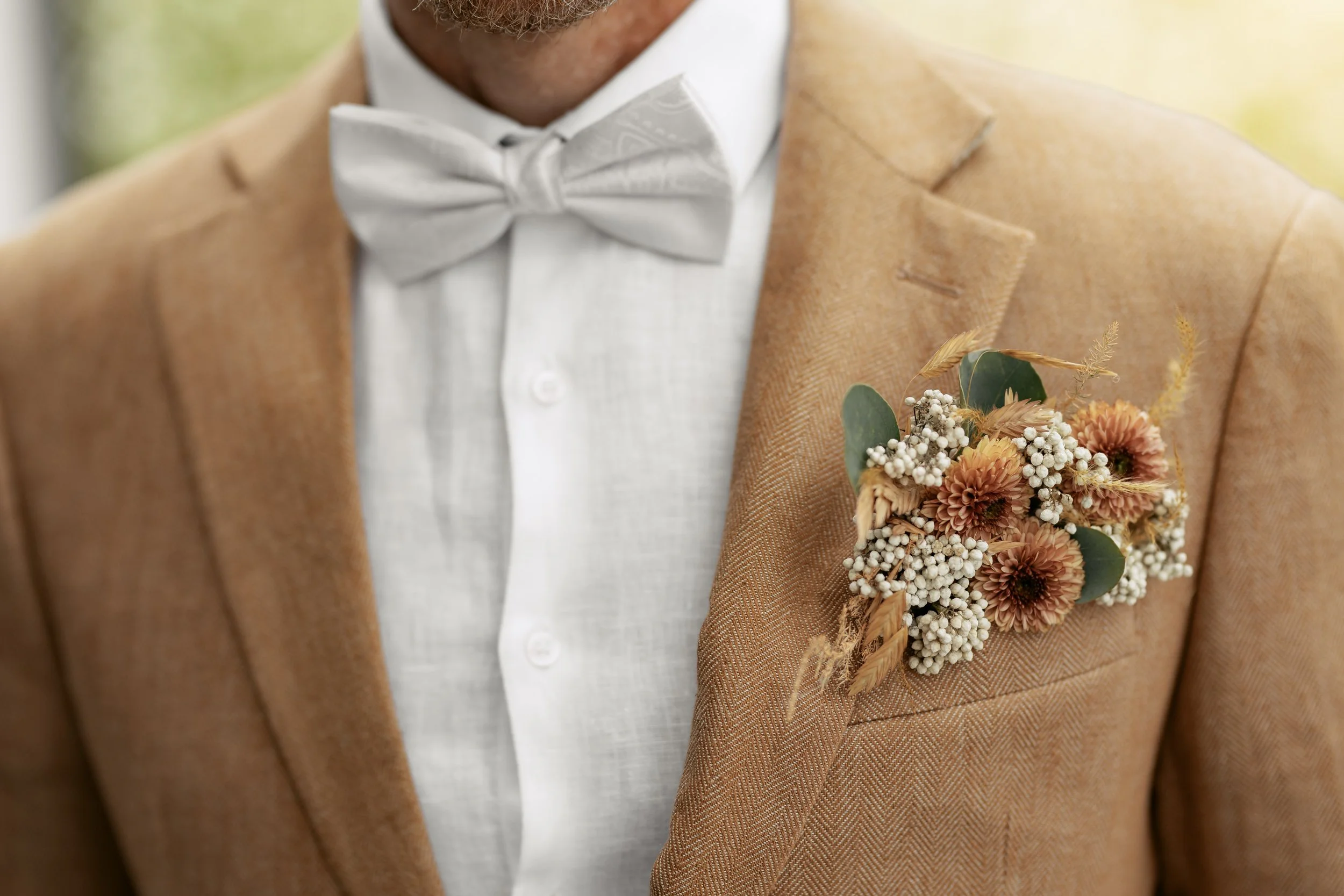
It’s chosen carefully. It looks perfect during the ceremony. It appears in so many important moments. And then, quietly, it begins to fade. Most couples don’t think about it after the day ends. But it’s one of the few tangible pieces left from everything you planned. If it matters to you, it’s worth deciding what happens to it. Not at the last minute, but before.
Keep the important things close
There are always a few things that carry meaning beyond the day itself. Speeches written late at night. Letters exchanged in the morning. Small objects that only you understand. They don’t take up much space, but they hold a lot.
I’ve seen what happens when those things are packed in a rush, or placed somewhere without much thought. Lost luggage. Damaged paper. Missing items that were meant to be part of the day. It’s never dramatic. But it leaves a gap. Taking care of those details doesn’t require much effort. Just intention.
Keeping them close, protected, and easy to access removes one more thing from your mind.
What you’ll remember later
What stays with you is rarely what you planned. It’s not the schedule or the structure. It’s the quiet before the ceremony begins. The moment you pause without anyone around. The way the light settles across the table during dinner. Someone laughing freely, not aware of anything else.
These moments don’t ask for attention. They happen in between everything else. That’s what I’m always watching for.
A destination wedding in France gives you something rare. Time that stretches. Evenings that don’t feel rushed. Space where nothing needs to happen for a moment to matter. That’s where the real memories sit.
And that’s what your photos will bring you back to.
I cover weddings in France and Abroad — CONTACT ME to check availability.
