
How to Plan a Destination Wedding in France Without Feeling Overwhelmed
A slower, more meaningful way to get married
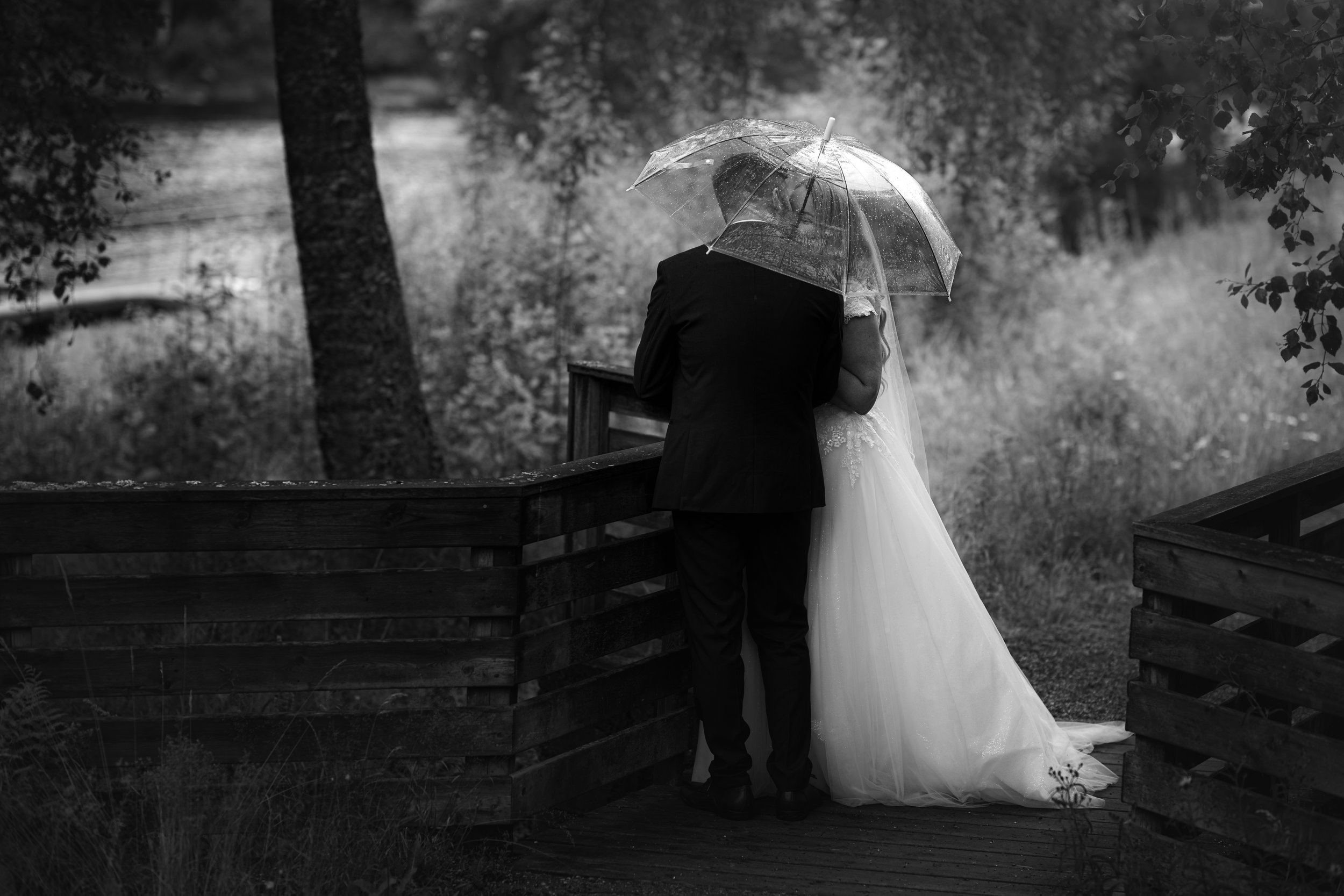
There is a reason so many couples dream about getting married in France.
Maybe it is the idea of long dinners outside as the sun disappears behind vineyards. Maybe it is the quiet stone villages, the atmosphere of old châteaux, or simply the feeling that weddings here move differently. Less rushed. Less performative. More focused on experience.
For many couples, a destination wedding in France is not only about the location itself. It is about creating a wedding that feels calmer and more personal than a traditional one-day event back home.
At the same time, planning a wedding from another country can feel overwhelming very quickly.
There are flights to coordinate, guests traveling internationally, legal questions, language barriers, timelines, venues, budgets, and endless decisions that suddenly seem much bigger when you are planning everything from far away.
Most couples feel that pressure at some point. That is completely normal.
You do not need to have everything figured out immediately
One of the biggest misconceptions about destination weddings is that everything needs to be perfectly organized from the beginning. It does not.
Most couples start with only a rough idea. A region they love. A feeling they want the day to have. A vision of being surrounded by the people closest to them somewhere beautiful in the South of France.
The details come later. What matters most at the beginning is building the right team around you. People who communicate clearly, understand your priorities, and help make the process feel simpler instead of more stressful.
That changes everything.
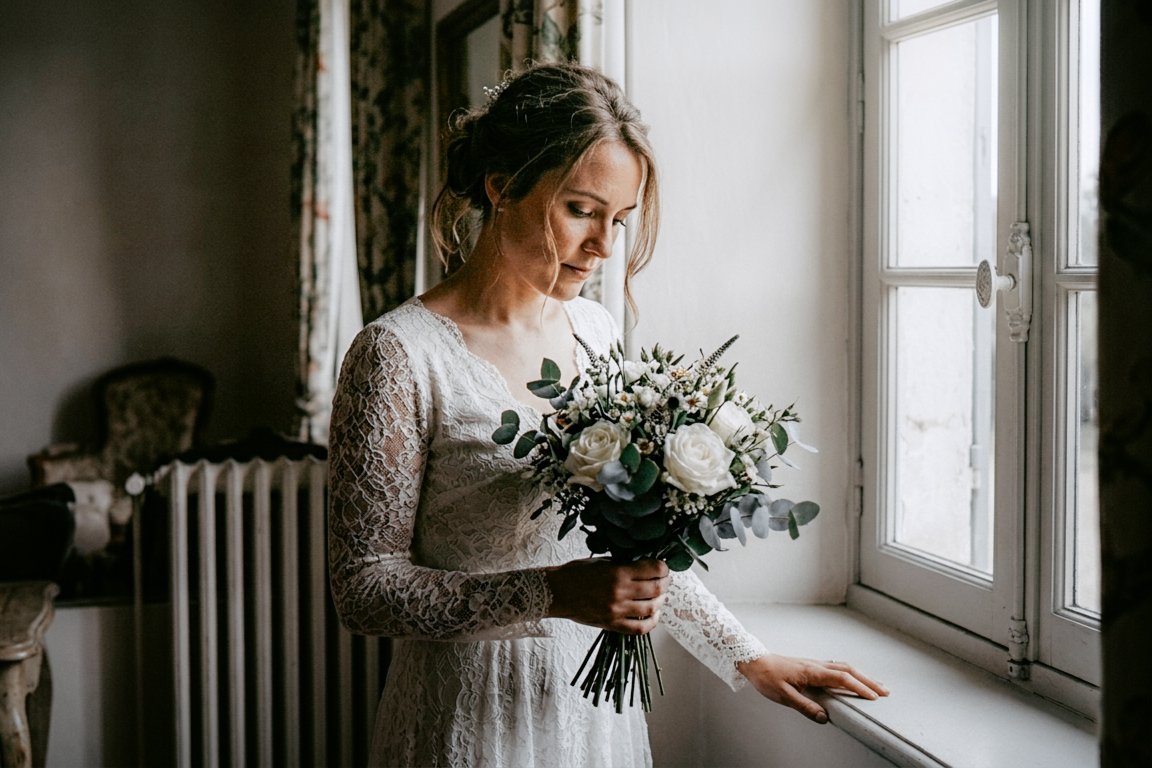
France works beautifully for relaxed weddings
One thing I notice often with destination weddings in France is how naturally the atmosphere slows down.
People spend more time together. Guests arrive earlier. The wedding becomes a shared experience over several days instead of only a few rushed hours.
There is room for long dinners, welcome drinks, slow mornings, and quiet moments in between.
That slower rhythm creates space for genuine emotion and connection, which also changes how the photographs feel afterward. The images become less about performance and more about memory.
Some of the strongest moments from weddings are often the quietest ones.
A conversation during sunset.
Friends sitting outside after dinner.
The two of you finally alone for five minutes after the ceremony.
Those moments cannot really be staged.
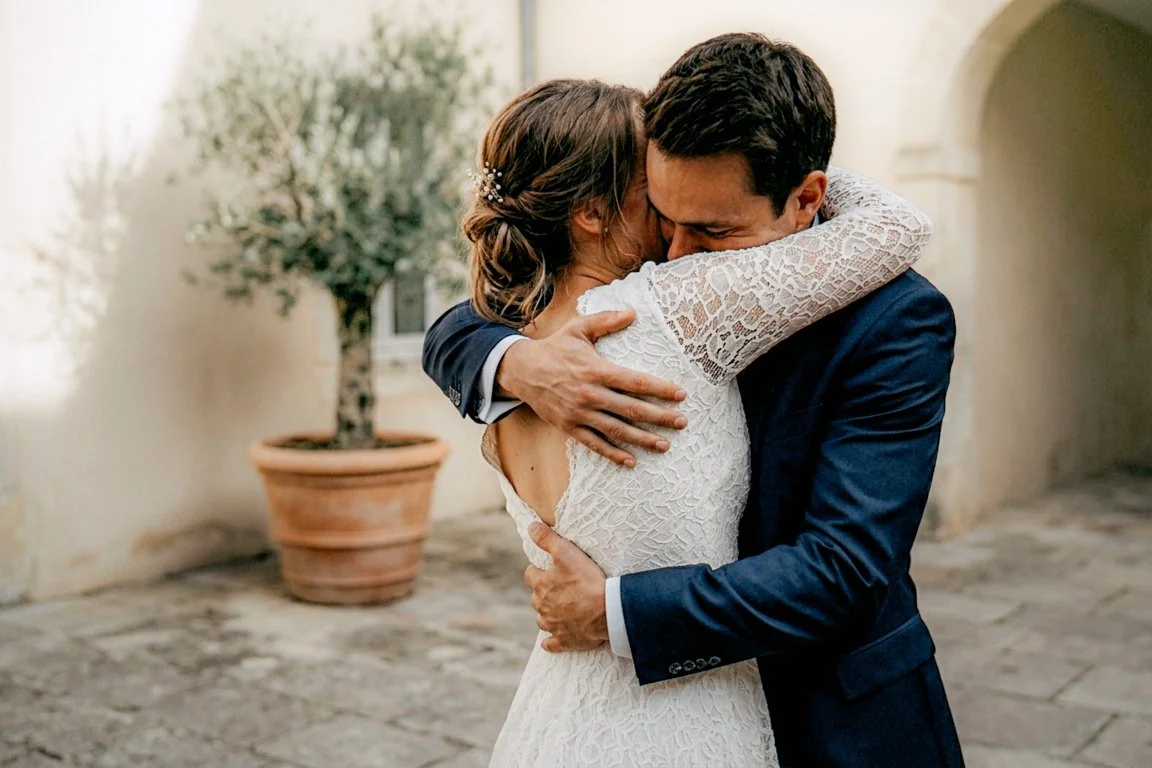
The right photographer should reduce stress, not add to it
A lot of couples worry about photography without even realizing it.
Not because they do not care about photos, but because they are nervous about feeling uncomfortable in front of the camera or losing hours of the wedding posing.
That is why documentary photography works so naturally for destination weddings in France.
You do not need to constantly stop the day for photos. You do not need to perform. Most of the wedding simply unfolds naturally while everything important is quietly documented around you.
The best wedding photographs rarely come from forcing moments.
They happen when people feel relaxed enough to forget the camera completely.
Your wedding does not need to look like anyone else’s
One of the best parts about planning a wedding in France is realizing there is no single correct way to do it.
Some couples rent a château for an entire weekend with family and friends. Others choose a small vineyard dinner with only ten guests. Some escape into the mountains for an intimate elopement.
The common thread is usually the same. They want the wedding to feel like them.
Not overly structured. Not filled with pressure. Not designed for social media first.
Just meaningful.
And honestly, those are often the weddings people remember most deeply years later.
