
Is It Too Hot to Get Married in South France in Summer?
What Summer Weddings in France Actually Feel Like
One of the biggest worries couples have before getting married in South France is the heat.
And honestly, it makes sense.
You spend months planning an outdoor wedding somewhere beautiful, then suddenly start imagining makeup melting, guests overheating, flowers dying in the sun, and everyone struggling through the ceremony trying not to pass out.
Most couples planning destination weddings here go through this exact panic at some point.
The reality is that yes, South France can get very hot during summer, especially in July and August. But that does not automatically mean your wedding will feel unbearable. In fact, many of the most beautiful and relaxed weddings I photograph happen during exactly this period.
The key is understanding how weddings naturally work here and planning around the climate rather than fighting against it.
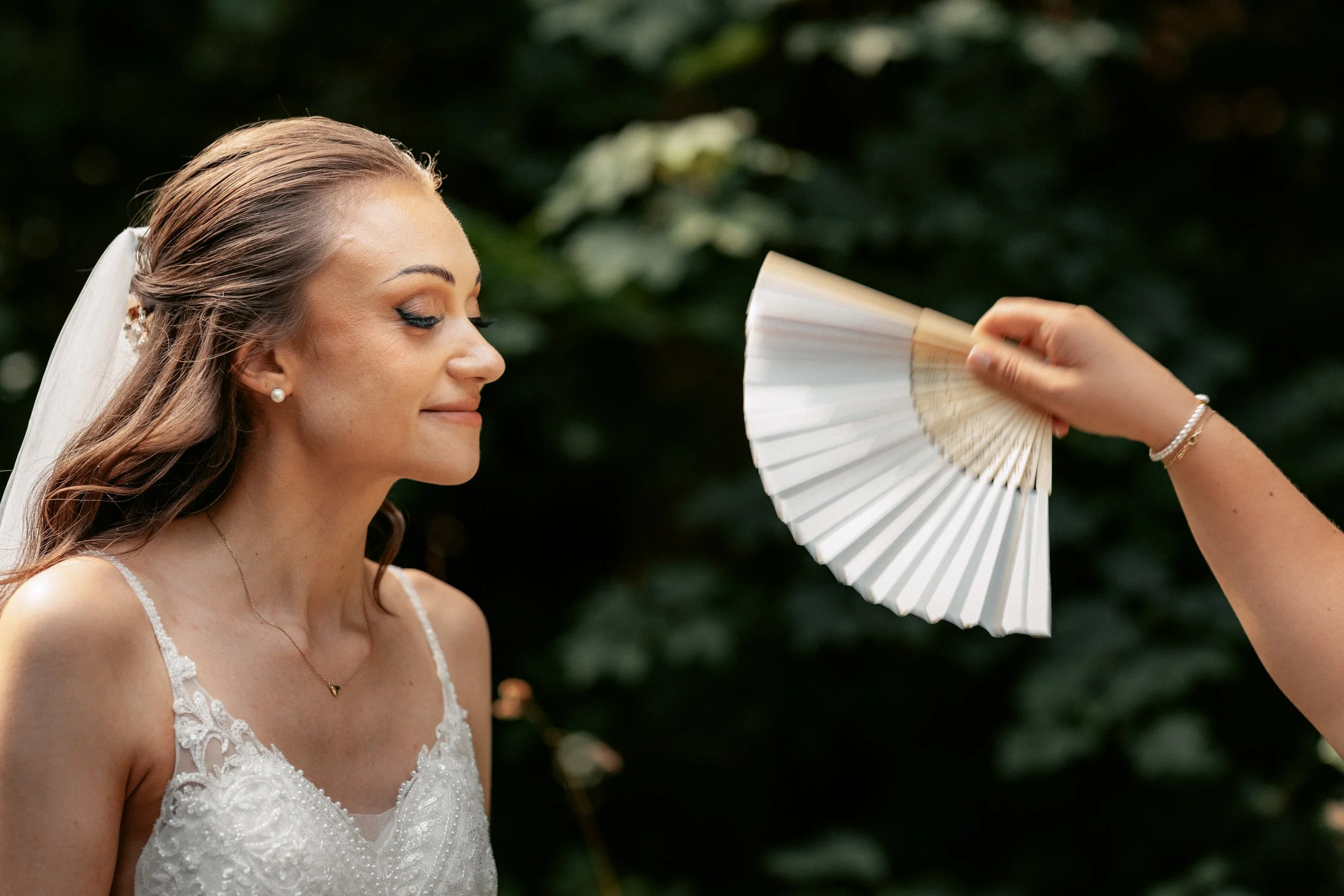
Summer Weddings in South France Feel Different
One thing couples often forget is that South France is built for summer.
People eat later. Weddings start later. Venues are designed with shade, outdoor spaces, stone walls, gardens, terraces, and slower evenings in mind. Life naturally adapts to the heat here.
The hottest part of the day is usually mid-afternoon. That is why many destination weddings avoid early afternoon ceremonies entirely. Instead, couples often plan slower mornings, relaxed afternoons, and ceremonies closer to sunset when temperatures become softer and the atmosphere changes completely.
By the evening, South France often feels incredible.
The light becomes warm and golden. Guests relax outside with drinks. Dinner stretches late into the night. The energy becomes slower, calmer, and far more comfortable than people imagine when they first think about an August wedding.
The Biggest Mistake Couples Make
The weddings that feel hardest in summer are usually the ones trying to follow very traditional timelines.
A full outdoor ceremony at 1pm in direct sunlight with formal suits, no shade, and guests sitting still for an hour will feel difficult almost anywhere in Europe during August.
But destination weddings in France rarely need to work that way.
Some of the best summer weddings start slowly. Couples have relaxed mornings, guests enjoy the pool or countryside during the day, and the ceremony happens later once the light softens. Suddenly the entire atmosphere changes.
It stops feeling like people are surviving the heat and starts feeling like a long summer evening together.
Guests Usually Handle the Heat Better Than Couples Expect
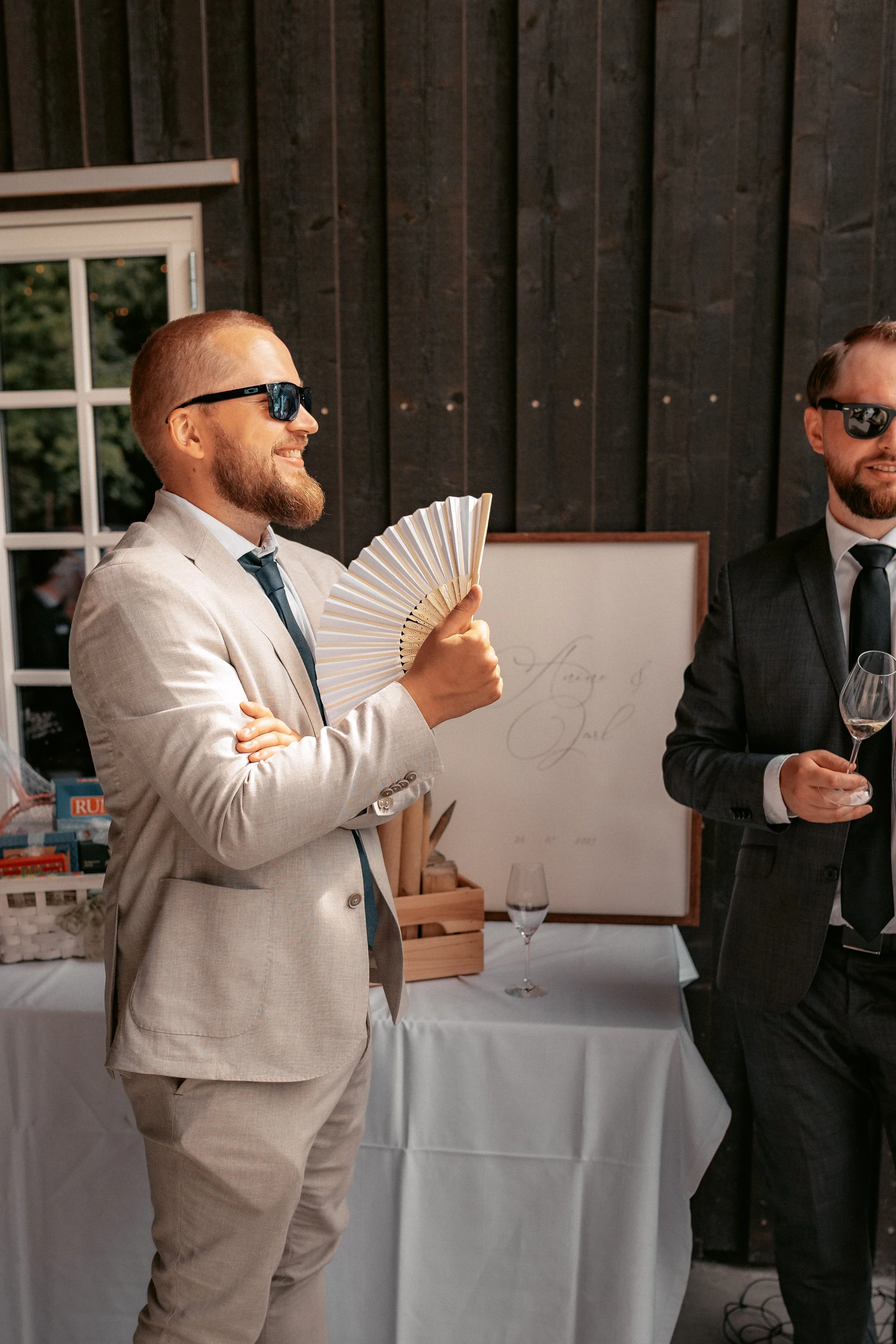
One thing couples often worry about is guest comfort. Especially when older family members or guests traveling from colder countries are involved.
But most guests are far more adaptable than couples fear, especially when the day is planned thoughtfully.
Simple things make a huge difference:
shaded ceremony areas
cold drinks available before the ceremony
shorter outdoor ceremonies
relaxed dress codes
fans or parasols
slower timelines
evening dinners outdoors instead of midday events
Many venues in South France already understand this naturally because they host summer weddings every season.
And honestly, guests are usually just excited to be there. A warm evening in a vineyard or château courtyard often feels very different emotionally than simply “being hot.”
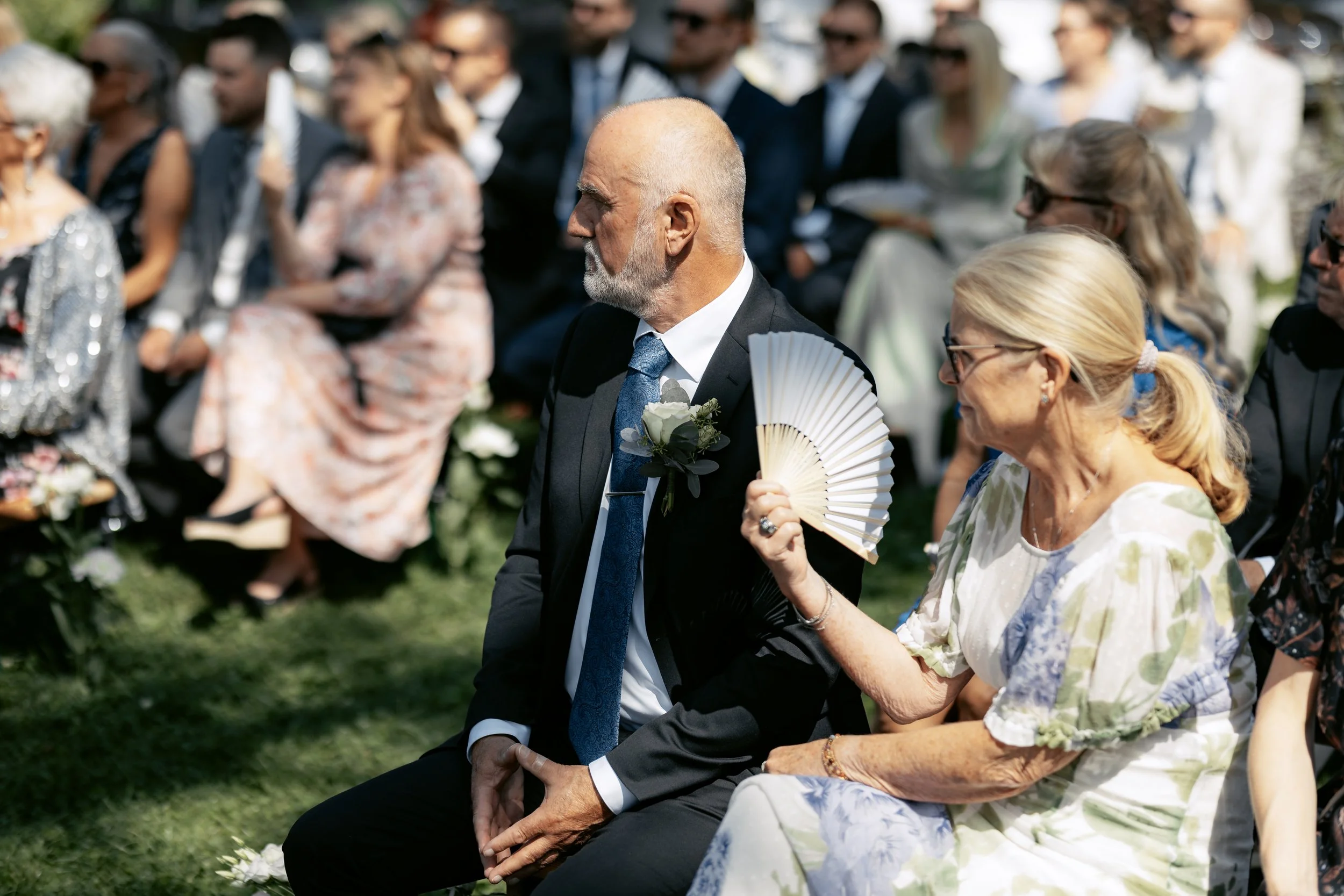
What About Makeup, Dresses, and Suits?
This is another huge fear couples have.
Will makeup survive? Will dresses feel unbearable? Will everyone sweat constantly?
The reality is that professional makeup artists who regularly work weddings in South France already know how to prepare for summer conditions. Lightweight products, touch-up kits, natural finishes, breathable fabrics, shaded preparation spaces, and realistic timelines help enormously.
Most couples also naturally relax into the atmosphere more than expected once the wedding actually begins.
Nobody is standing perfectly still under direct sunlight all day long. People move between shade, drinks, conversation, dinner, music, and evening air. Once the sun starts lowering, the entire environment becomes softer.
And honestly, a slightly windswept dress or warm summer atmosphere often feels far more alive and emotional in photographs than everything looking perfectly untouched.
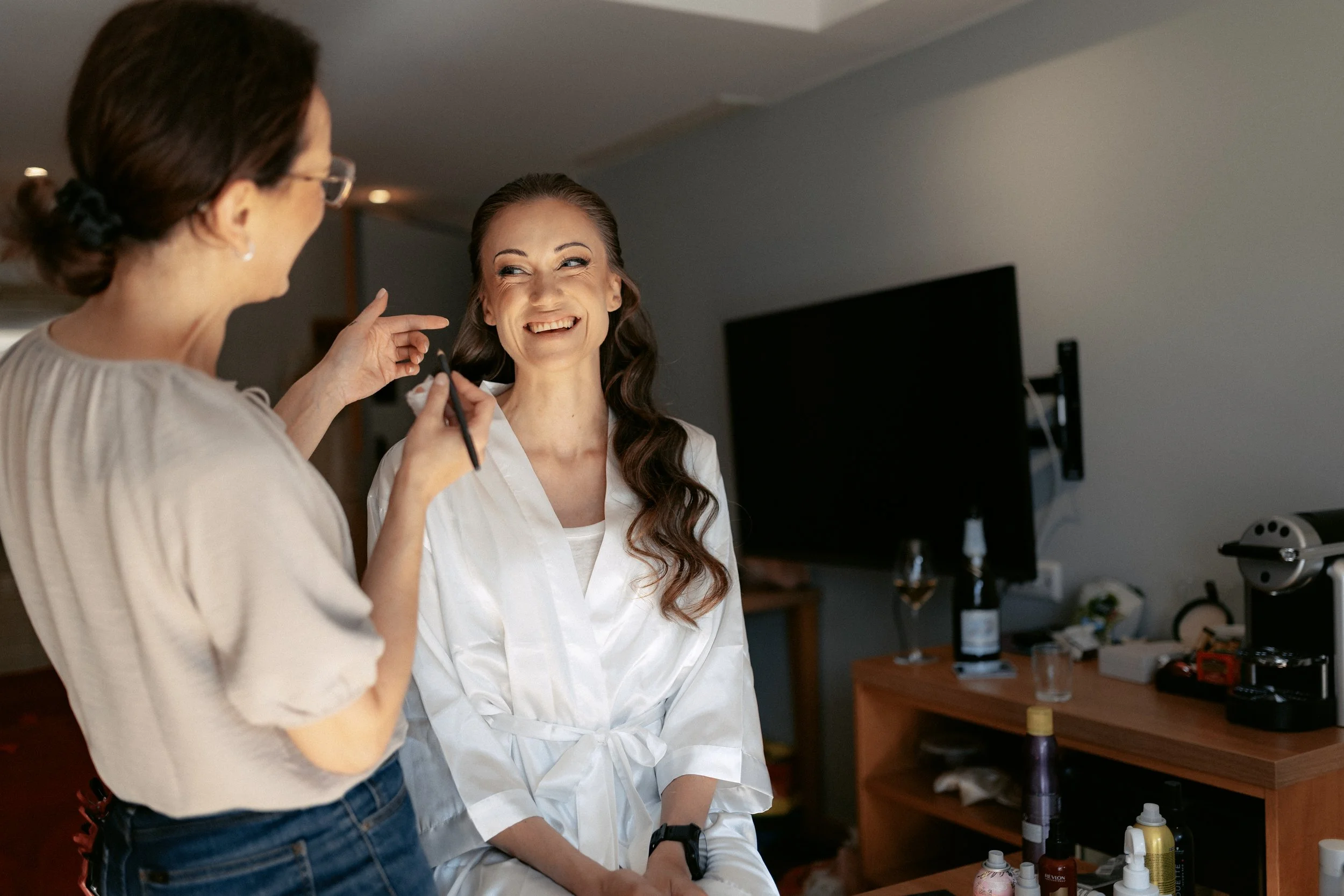
The Best Light Happens Later in the Day
From a photography perspective, later ceremonies in South France are usually beautiful.
Midday summer sunlight can feel harsh and heavy. But evening light here is something completely different. Warm tones, long shadows, soft skin tones, and an atmosphere that naturally feels relaxed.
That is why many couples choose ceremony times around 5pm to 7pm during summer.
Guests arrive calmer. Temperatures improve. Portraits happen around sunset. Dinner flows naturally into speeches, music, and evening celebrations outdoors.
Instead of fighting the climate, the entire day starts working with it.
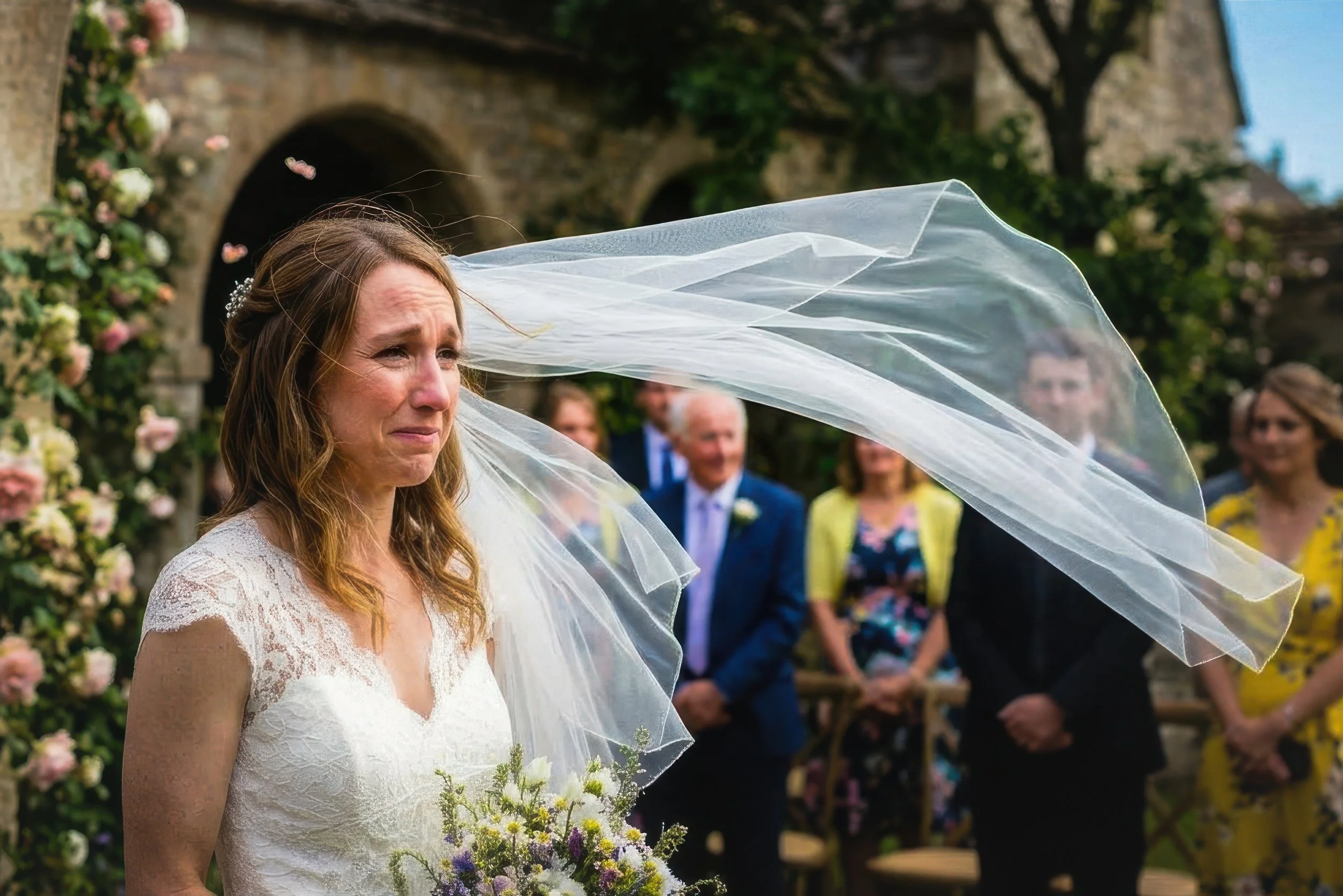
The Atmosphere Matters More Than Perfect Conditions
A lot of couples spend months worrying about weather before the wedding. Too hot. Too windy. Too much sun. Possible rain.
But when people look back on weddings years later, they rarely talk about the exact temperature.
They remember atmosphere.
The long dinner outside. The warm evening air. Guests talking under lights late at night. The feeling of escaping normal life for a few days and celebrating together somewhere beautiful.
Those are the things people carry with them afterward.
Final Thoughts
Yes, summer weddings in South France can be hot.
But they can also feel incredibly relaxed, emotional, and unforgettable when planned in a way that embraces the environment instead of trying to control it completely.
The weddings that work best here are usually the ones that slow down a little. Later ceremonies. Longer evenings. Less pressure. More presence.
Because South France is not really about perfection.
It is about atmosphere.
