
How Much Wedding Photography Coverage Do You Actually Need?
Choosing Coverage Is About More Than Hours
One of the most common questions couples ask when planning their wedding is how many hours of photography they actually need.
At first, it sounds simple. Six hours. Eight hours. Full day. But once you start building your timeline, things become less clear. Suddenly you are trying to figure out whether getting ready matters, whether you need dancing photos, how long family portraits take, or if sunset portraits are worth planning around.
The truth is that wedding photography coverage is not really about numbers. It is about deciding how much of the story you want remembered.
Some couples care most about the ceremony itself. Others want the quiet atmosphere in the morning, the energy during dinner, or the moments late in the evening when everyone finally relaxes and forgets the camera is there.
There is no perfect answer for every wedding. The right amount of coverage depends entirely on the experience you want to have and the memories you want to keep.
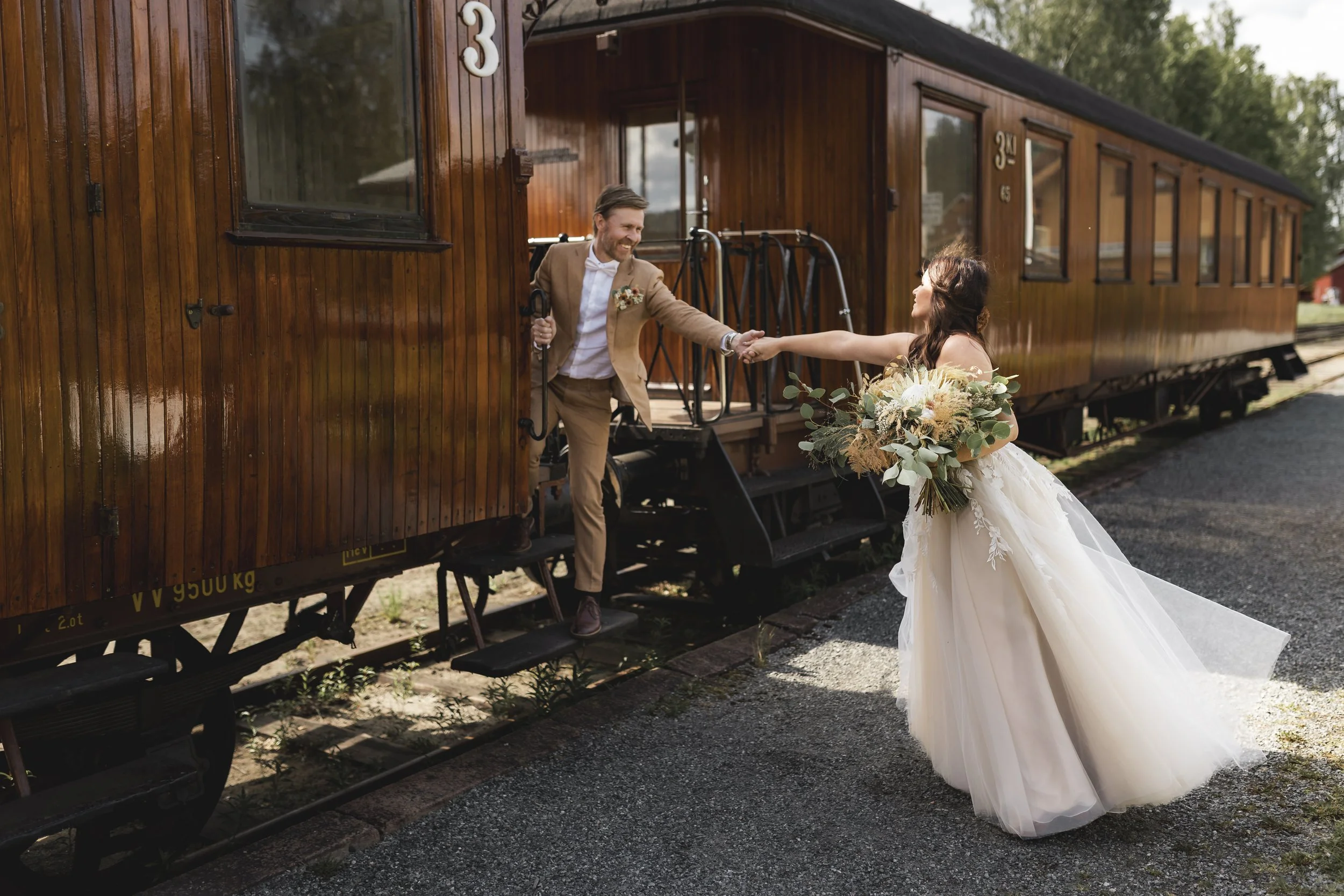
Why Full Day Coverage Usually Feels More Relaxed
A lot of couples initially think they only need a few hours because they are mostly thinking about the ceremony and portraits.
But weddings rarely feel like isolated moments. The atmosphere builds gradually throughout the day. The nerves in the morning. Friends arriving. Parents helping with final details. Guests hugging during cocktail hour. The shift in energy once dinner starts and speeches begin.
When photography coverage is too short, the day can start feeling rushed. Couples often find themselves watching the clock instead of being fully present.
Full day coverage creates space.
There is more freedom for things to unfold naturally without constantly thinking about whether enough has been captured already. Portraits can happen calmly around good light instead of squeezing them into tiny gaps. Moments between people happen more naturally because there is less pressure around timing.
For documentary wedding photography especially, time matters. Real moments are not scheduled. They happen in-between.
What Different Coverage Lengths Usually Look Like
Shorter coverage, around 4–6 hours, often works well for smaller weddings, elopements, or celebrations where couples mainly want the ceremony, portraits, and a part of the reception documented.
This can work beautifully when the wedding itself is intentionally simple and relaxed.
Around 8 hours usually allows enough time to cover several important parts of the day without feeling overly tight. Couples often choose this when they want preparations, ceremony, portraits, cocktail hour, and some reception coverage.
Full day coverage is different because it allows the story to feel complete. Instead of selecting only the “main events,” it captures the emotional flow of the day from beginning to end.
Often, the moments couples value most afterward are not the ones they originally planned around.
It might be a parent sitting quietly before the ceremony. Friends laughing during dinner. A quick hand squeeze before walking down the aisle. Guests dancing barefoot late at night.
Those moments usually happen when there is enough time for observation instead of rushing from one event to another.
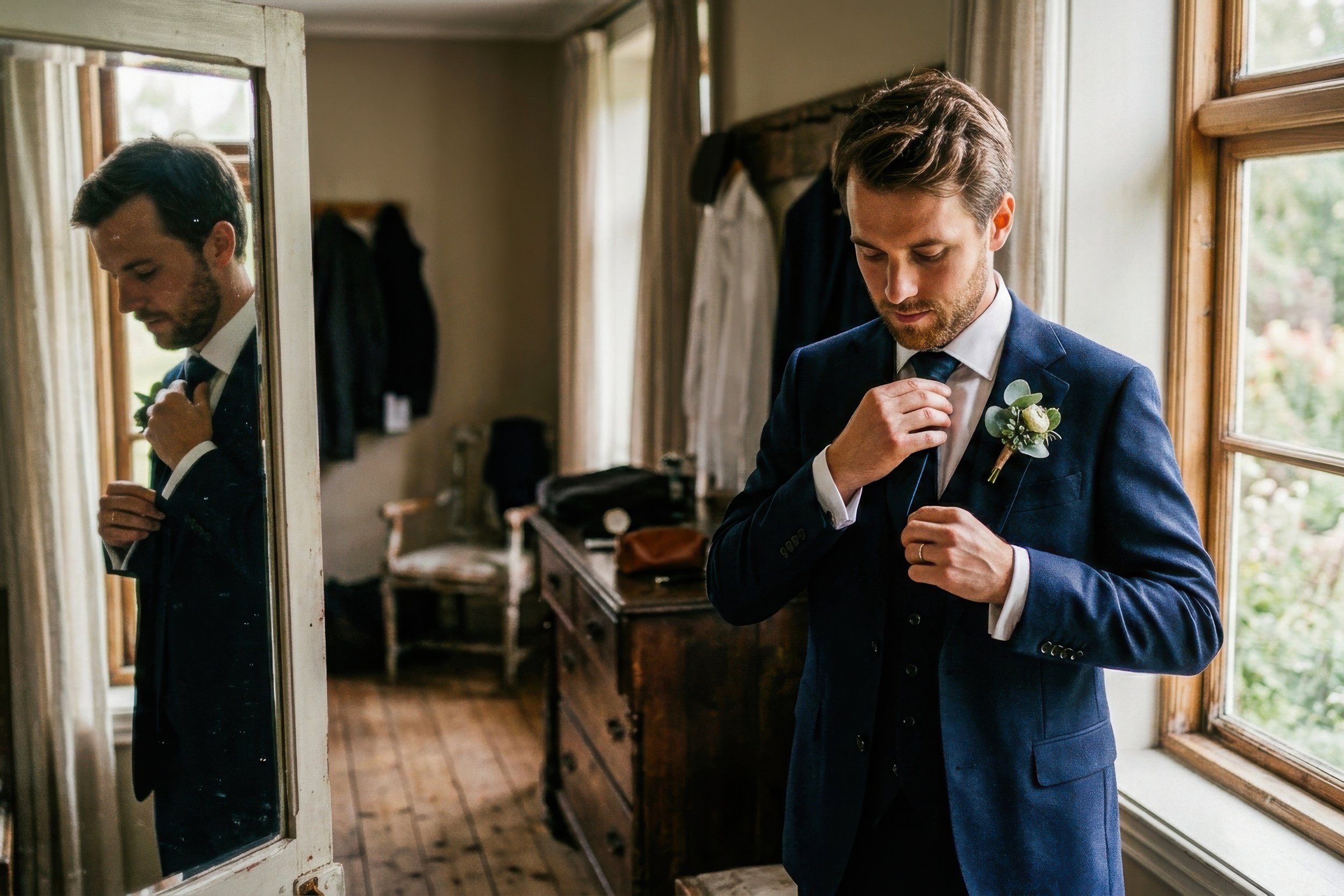
The Biggest Mistake Couples Make
One of the most common regrets couples have is underestimating how quickly the wedding day moves.
Many initially assume they do not need coverage during preparations or later in the evening. But afterward, those parts often become some of the most emotional photographs because they contain atmosphere, anticipation, connection, and the feeling of the day itself.
Another mistake is building timelines that are too tight.
When every part of the day is compressed, stress increases naturally. Guests feel it. Couples feel it. Even beautiful weddings can start feeling more like schedules than experiences.
The best weddings usually leave room to breathe.
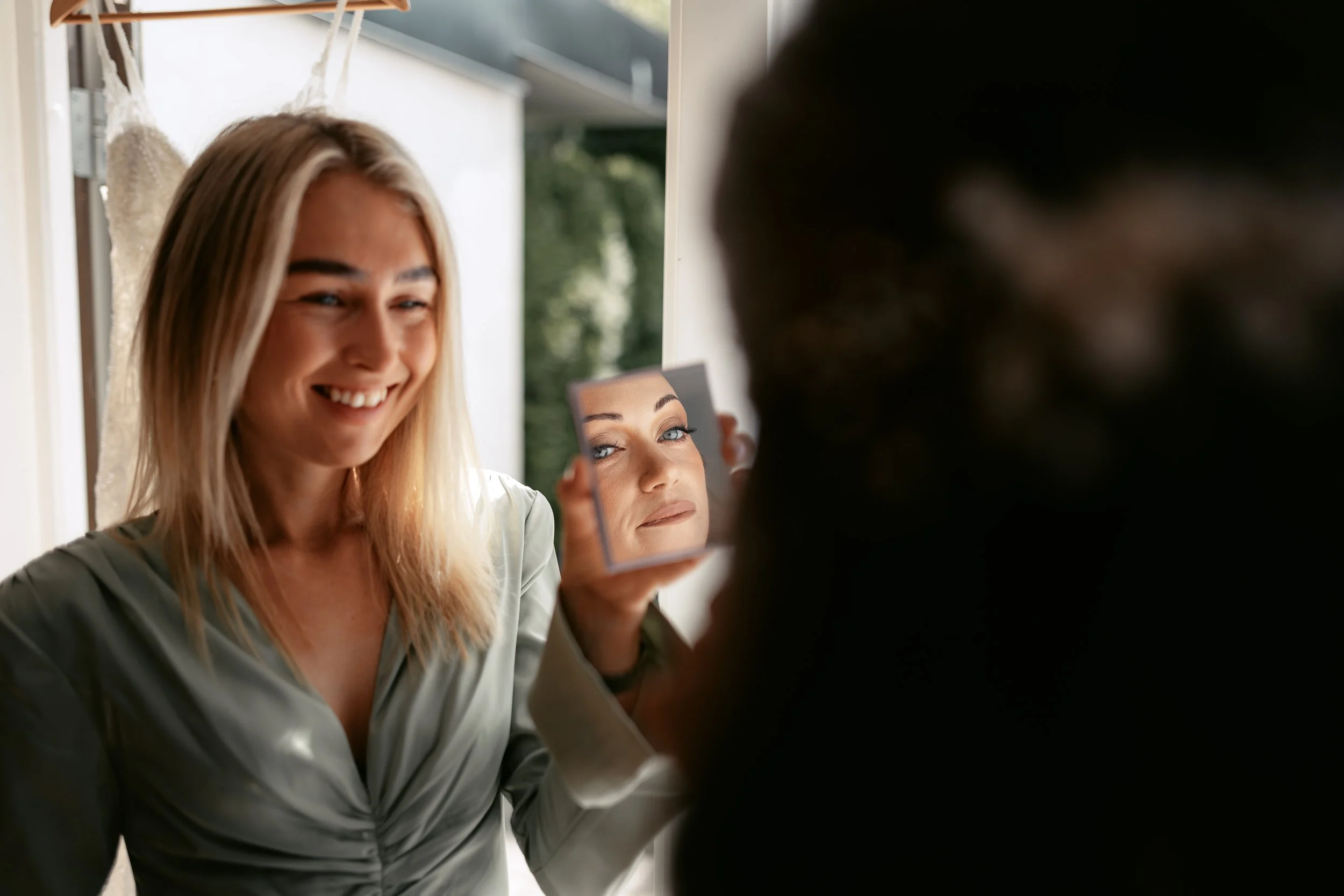
Think About Experience, Not Just Photos
When choosing photography coverage, it helps to stop thinking only about how many images you will receive.
Instead, think about how you want the day to feel.
Do you want a relaxed morning with no rush?
Do you want enough time to step away together during sunset without worrying about guests waiting?
Do you want photographs that capture the atmosphere of the full celebration instead of only the formal parts?
Coverage changes the rhythm of the day more than most couples realize.
The goal is not simply to document events. It is to preserve the feeling of being there.
There Is No “Correct” Amount of Coverage
Every wedding is different.
Some of the most meaningful weddings are quiet 4-hour elopements in the countryside. Others are long destination wedding weekends where the atmosphere keeps evolving late into the evening.
The important thing is choosing coverage that matches the experience you actually want instead of what you think you are supposed to book.
A wedding does not need to feel big to feel meaningful.
It simply needs enough space for you to be present inside it.
