
How to Write Great Vows for Your Wedding or Elopement
My Top 10 Tips for Writing Vows That Actually Feel Like You
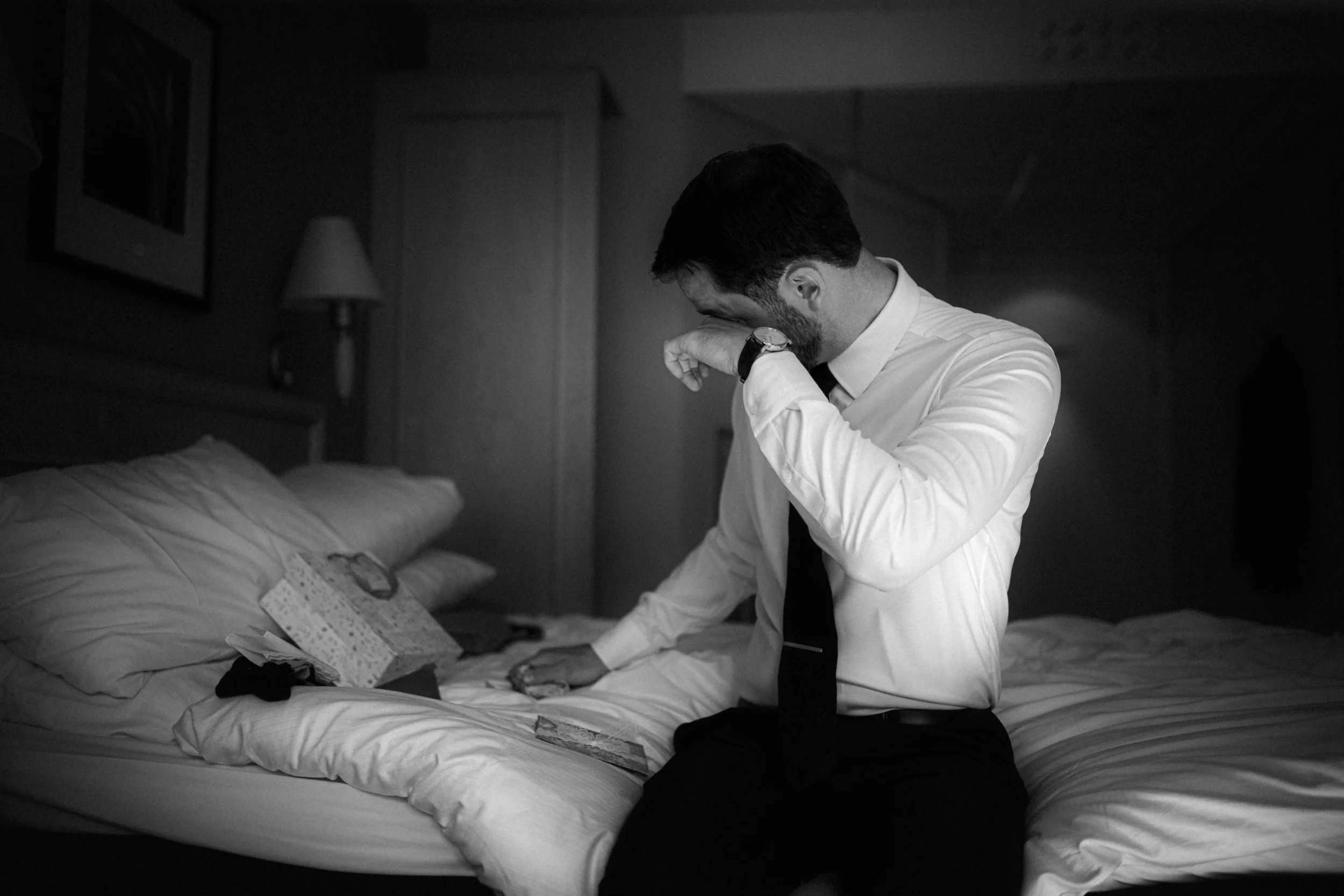
For many couples, writing vows feels harder than planning the wedding itself.
You sit down with a blank page, knowing you want to say something meaningful, and suddenly every sentence sounds awkward or forced. You want it to feel emotional without sounding cheesy. Personal without oversharing. Honest without sounding like you copied it from Pinterest five minutes earlier.
The truth is, good vows are rarely perfect.
The vows couples remember most are usually the ones that feel real. The slightly shaky voices. The small pauses. The quiet laughter after an inside joke. The sentences that sound exactly like the person saying them.
As a wedding photographer, I have listened to hundreds of vows during weddings and elopements across France. The ones that stay with people are never the most polished. They are the ones that feel human.
If you are struggling to know where to start, these are the tips I always give couples.
Start Earlier Than You Think You Need To
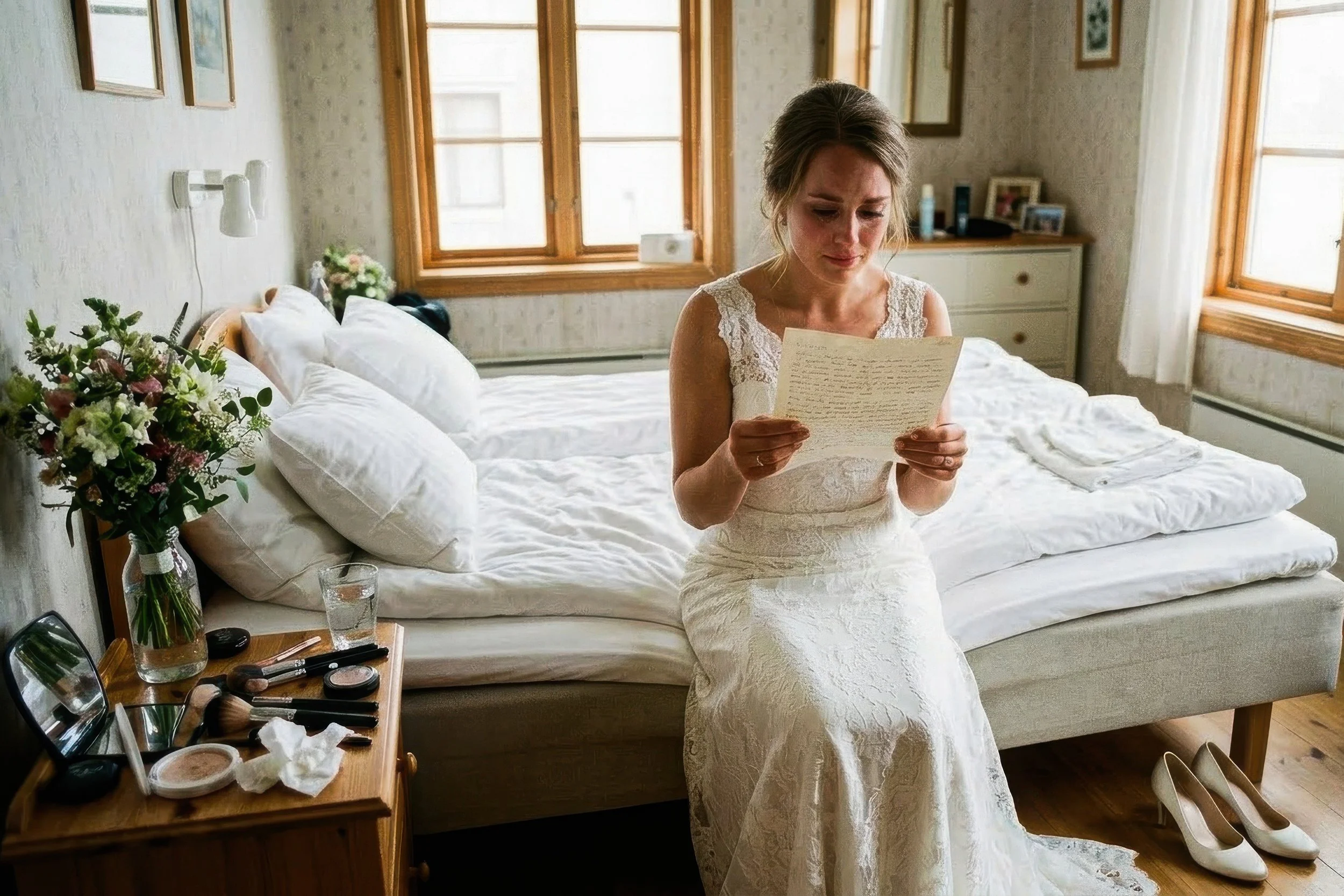
One of the biggest mistakes couples make is leaving their vows until the final week.
Writing good vows takes reflection more than talent. Most people do not sit down once and magically write something beautiful in twenty minutes.
Usually, the best ideas appear slowly.
A sentence comes while driving. A memory shows up while cooking dinner. You suddenly remember a tiny moment together that says more about your relationship than any dramatic story ever could.
Give yourself time to collect those thoughts naturally.
Even if you only write small notes at first, it helps far more than trying to force everything the night before the wedding.
Stop Trying to Sound Like a Poet
This is probably the most important advice.
You do not need to sound cinematic or profound. You do not need complicated language. You do not need to impress your guests.
Your partner already knows how you speak.
The best vows sound like a conversation you would actually have together. Calm. Honest. Specific.
Sometimes a simple sentence carries more weight than something overly dramatic.
“I still feel calm when you walk into the room.”
That often lands harder than pages of perfectly polished writing.
Focus on Specific Memories
Specific details make vows feel alive.
Instead of saying:
“You always support me.”
Talk about the moment they stayed awake with you during a difficult night. The road trip where everything went wrong but you laughed the entire time. The quiet morning in a small apartment when you realized you already felt at home together.
Those moments matter because they belong only to you.
Many vow writers recommend grounding emotions in real memories because specificity makes vows feel more genuine and less generic.
Your Vows Do Not Need to Be Completely Serious
A lot of couples think vows must sound deeply emotional from beginning to end.
But some of the most beautiful vows include humor.
Not performance humor. Not stand-up comedy.
Just small moments that feel familiar to your relationship.
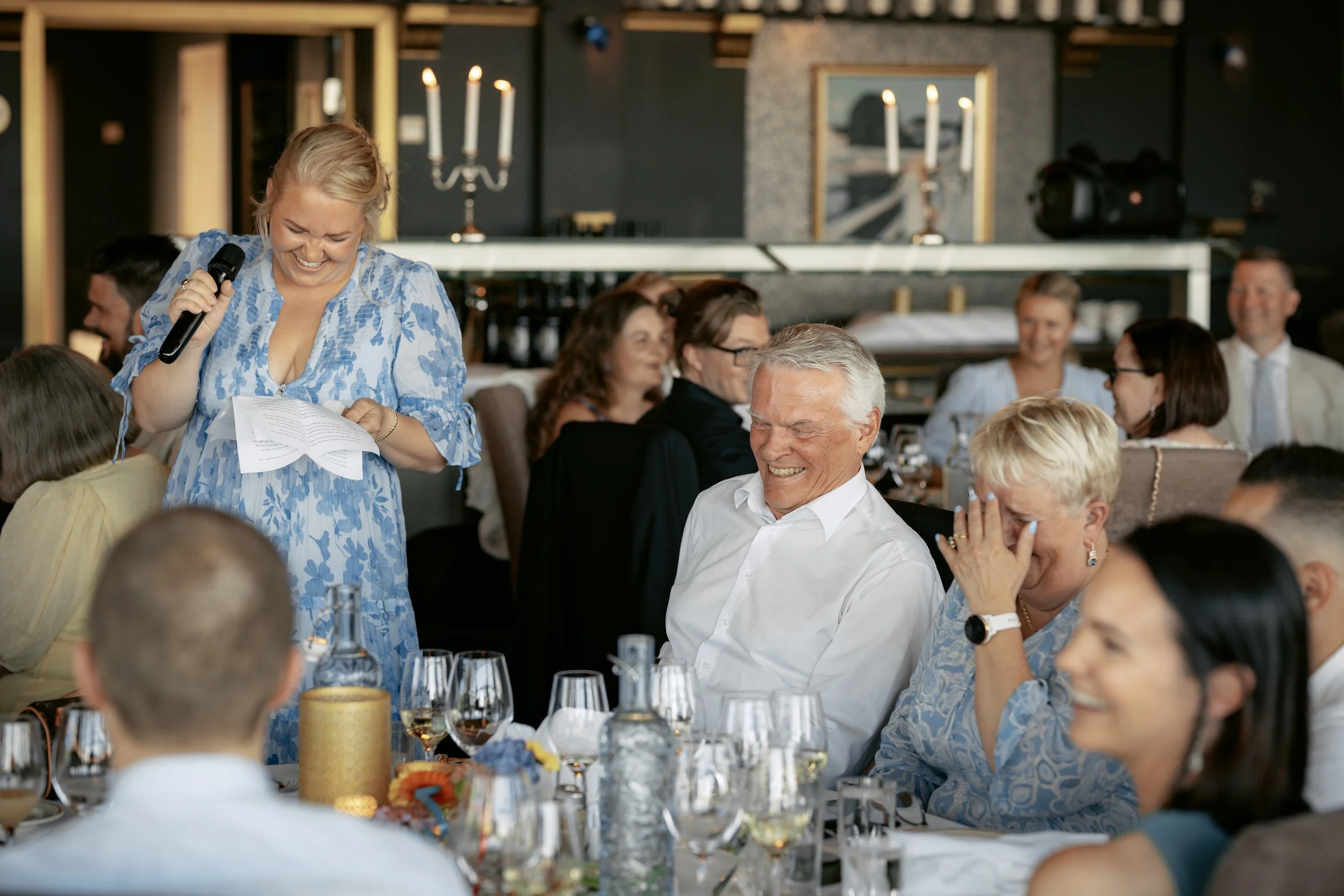
Maybe it is promising to stop stealing the blankets. Maybe it is mentioning how one of you always gets lost in French villages. Maybe it is admitting that one person always cries during films while the other pretends not to.
Those small moments often help people relax emotionally during the ceremony. They make the vows feel balanced and natural.
Keep Them Shorter Than You Think
Long vows are usually not stronger vows.
Most couples only need one to two minutes. That is enough time to say something meaningful without losing emotional focus.
The goal is not to tell your entire relationship story.
It is simply to express:
what this person means to you
what you love about them
what you promise moving forward
That is enough.
Write the Way You Speak
One thing I notice often at weddings is when vows sound completely different from the couple themselves.
You never talk like that in real life, so suddenly hearing overly formal language feels disconnected.
Write naturally.
If you normally speak in simple language, keep it simple. If your relationship is playful, let that show. If you are emotional, lean into that.
You do not need to become a different version of yourself for your vows.
Do Not Worry About Crying or Getting Nervous
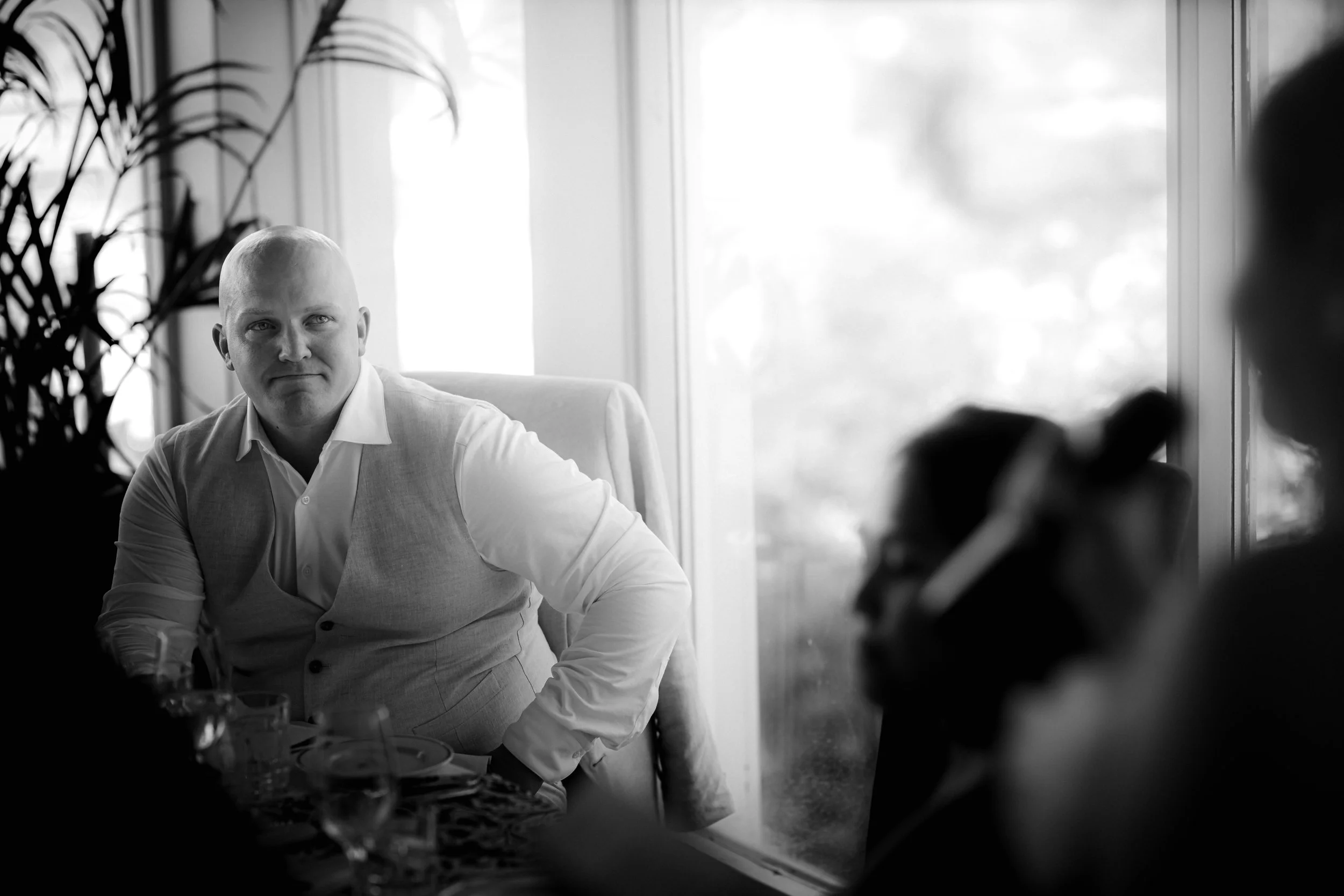
Almost everybody gets nervous.
Even couples who seemed completely relaxed all morning suddenly shake when they begin reading vows. That is normal.
You are standing in front of someone you love, trying to explain feelings that are difficult to put into words.
No one expects perfection.
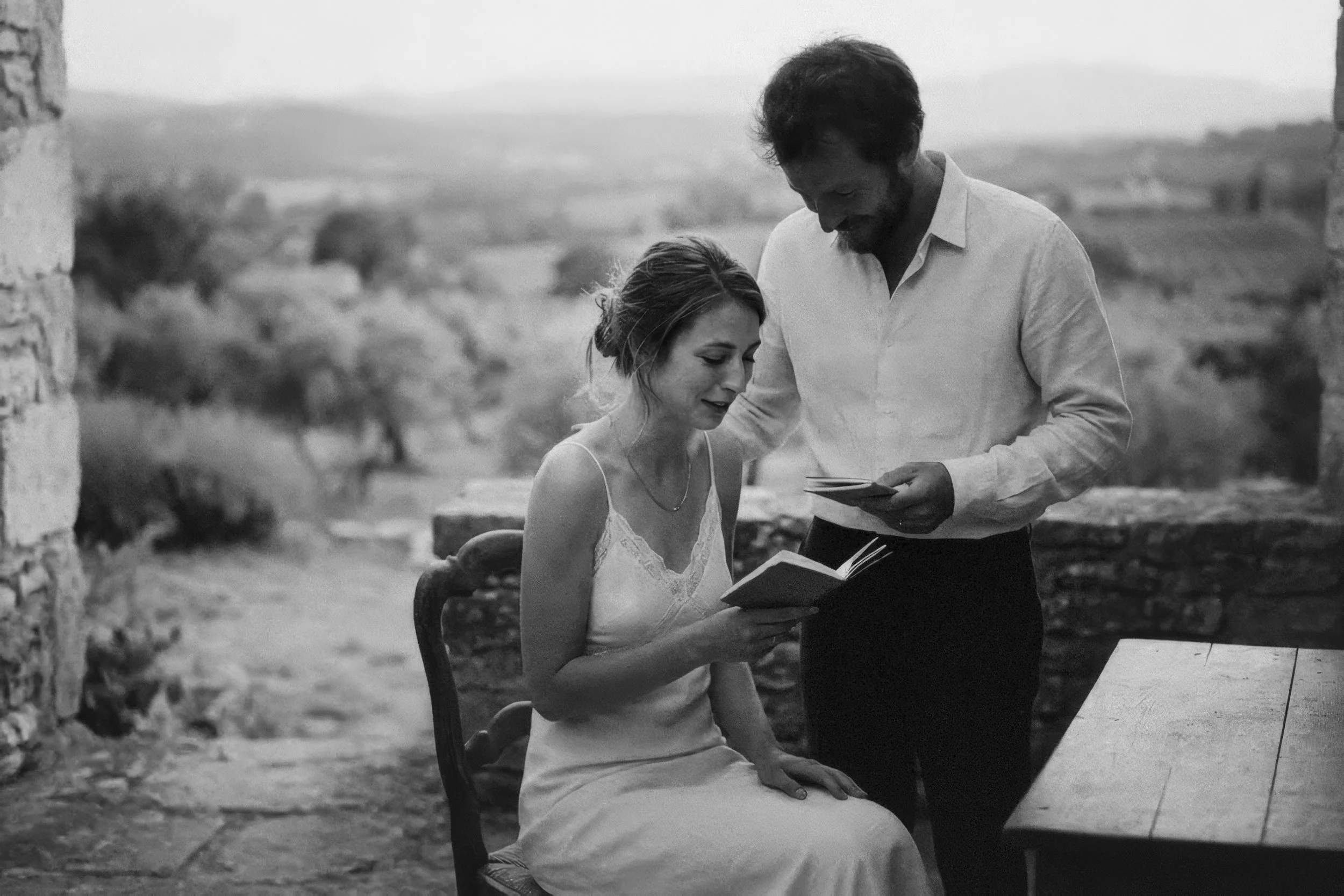
And honestly, small pauses, tears, forgotten lines, or nervous laughter often become the most meaningful parts of the ceremony.
Consider Private Vows
Not every couple feels comfortable reading deeply personal vows in front of guests.
That is why private vow exchanges have become much more popular during elopements and destination weddings.
Some couples read personal vows during sunrise in the mountains and keep the ceremony itself shorter. Others exchange letters before the wedding day. Some do both.
There is no correct way.
If privacy helps you speak more honestly, it is worth considering.
Practice Them Out Loud
Vows almost always sound different spoken aloud than they do inside your head.
Read them slowly.
You will quickly notice:
sentences that feel too long
awkward wording
parts where you naturally pause
moments that feel emotional
Practicing also helps calm nerves. Not because you need to memorize everything, but because your words begin feeling familiar.
Remember What Actually Matters
At the end of the day, your vows are not a performance.
Nobody is grading them.
Your guests will not remember whether every sentence was perfectly written. What people remember is how the moment felt.
The quiet voice crack.
The way your partner looked at you.
The sentence that made everyone laugh unexpectedly.
The pause where you both forgot the guests were even there.
That is what makes vows memorable.
Not perfection. Just honesty.
Final Thoughts
If you are planning a wedding or elopement in France and feeling overwhelmed by vows, keep this simple:
Write honestly.
Keep it personal.
Do not overthink it.
The words do not need to sound impressive.
They just need to sound like you.
